
Do I Really Need the Typhoid Vaccine for India?
August 6, 2026
6 minute read
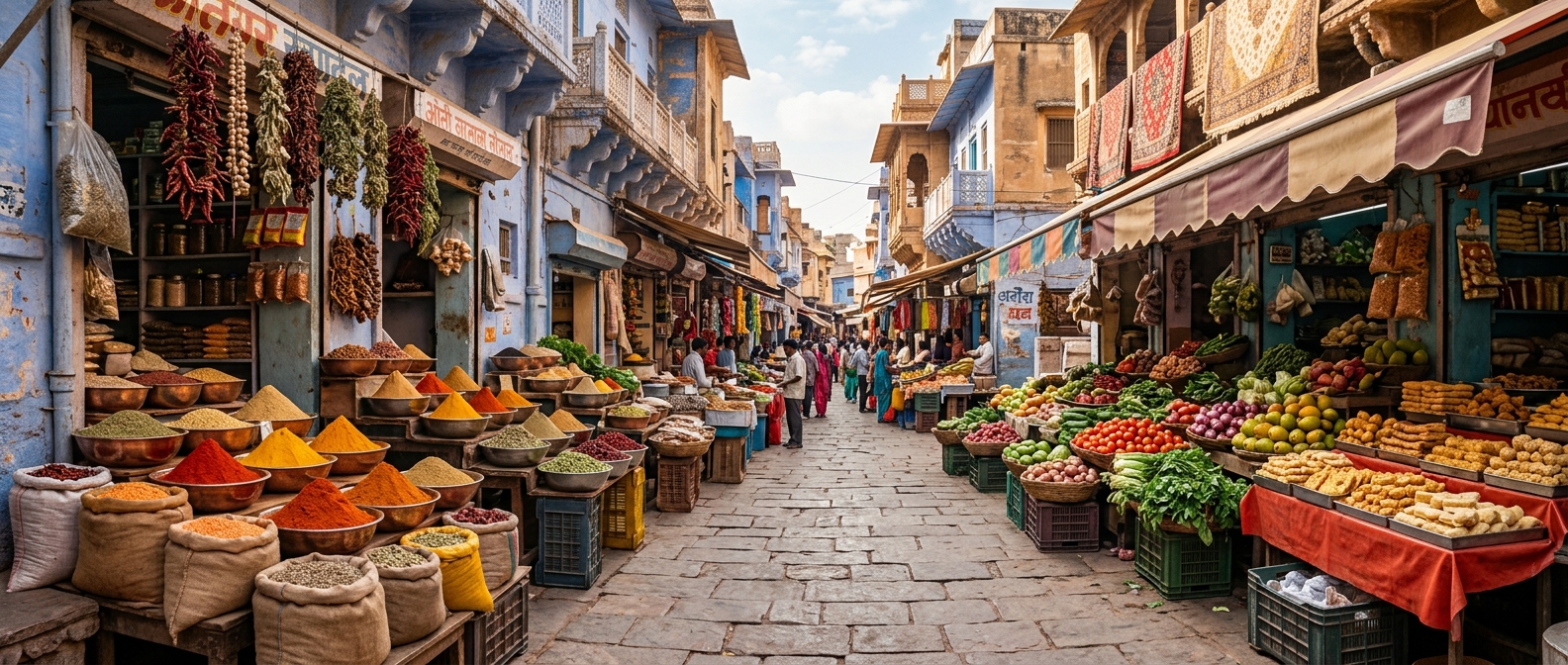
It is a fair question, and one we are asked often, so here is the direct answer: for almost everyone travelling to India, yes, the typhoid vaccine is worth having. It is not legally required, but typhoid is common across India and some strains there are now resistant to the usual antibiotics, which makes prevention matter more than it used to. At £30 for cover that lasts three years, it is also one of the easier calls in your pre-travel plan. This guide explains why, and it sits alongside our full guide to travel vaccines for India.
What typhoid is, and why India is higher-risk
Typhoid is a bacterial infection caused by Salmonella Typhi, spread through food and water contaminated with the bacteria. It is not the same as ordinary travellers’ tummy upset. Typhoid causes a sustained high fever, headache, abdominal pain and fatigue that can last for weeks, and in some cases leads to serious complications. It is a genuine illness, not a day or two of feeling rough.
India carries one of the highest typhoid burdens in the world, and the risk runs throughout the country rather than being limited to particular regions. The bigger concern in recent years is drug resistance. Strains of typhoid that resist several of the standard antibiotics, including extensively drug-resistant (XDR) typhoid, have been circulating across South Asia. If a resistant infection is harder to treat, preventing it in the first place becomes the sensible route, which is exactly why we place typhoid among the core vaccines for India.
“But I’m careful, and I’m staying somewhere nice”
This is the honest heart of the “do I really need it” question, so it deserves a straight answer. Being careful with food and staying in good accommodation both help, but neither removes the risk. Typhoid travels through the food and water supply chain, so contamination can reach the kitchen of a smart hotel just as it can a street stall. Salads washed in local water, ice, fresh juices and food handled by someone carrying the bacteria are all routes that have nothing to do with how clean a place looks.
Vaccination is not a licence to drop your guard, and we will always talk you through food and water precautions too. The vaccine reduces your risk substantially, and sensible hygiene reduces it further. Together they are far stronger than either on its own.
Who should be especially sure to have it
Everyone travelling to India benefits, but a few groups should treat typhoid as a firm yes rather than a maybe. Travellers visiting friends and relatives are top of that list, because they tend to stay longer, eat home-cooked food, and drink local water in settings that feel familiar and therefore lower-risk than they are. Longer trips, rural travel, adventurous eating and trips with children all push the case up as well.
The typhoid vaccine: dose, timing and price
The injectable typhoid vaccine is a single dose. It takes one to two weeks to give protection, and that protection lasts around three years, after which a booster is recommended if you are still travelling to risk areas. The cost at our clinic is £30, with the consultation included. An oral typhoid course taken as capsules is an alternative for some people, and we can talk through which suits you.
Typhoid is very often given at the same appointment as hepatitis A, since both spread through food and water and both are core for India. For most travellers the two sit together with a diphtheria, tetanus and polio booster as the standard set, which comes to £105 in total. You can see how it all fits by trip type in our complete India travel vaccines guide.
When to get it before you travel
Because protection builds within one to two weeks, typhoid is very achievable even for travellers who leave things late. Ideally, come in six to eight weeks before departure so everything on your list can be planned calmly, but if you are flying in a fortnight, typhoid is one of the vaccines that still works in time. If your trip is sooner than that, come in anyway and we will tell you clearly what protection is realistic before you go. There is more in our guide on what India requires and recommends.
Check availability and book online →
Frequently asked questions
Is the typhoid vaccine mandatory for India?
No, it is not legally required to enter India. It is strongly recommended on health grounds because typhoid is common there and some strains are drug-resistant. The only vaccine India requires at the border is yellow fever, and only for travellers arriving from a yellow fever risk country.
How effective is the typhoid vaccine?
It reduces your risk substantially but is not 100% effective, which is why we pair it with food and water precautions. Between the vaccine and sensible hygiene, your overall risk drops a long way. The injectable dose protects for about three years.
How much is the typhoid vaccine and how long does it last?
It is £30 at our clinic, with the consultation included, and protection lasts around three years. If you travel to risk areas again after that, a booster is recommended. It is often given alongside hepatitis A for India.
Do I still need it if I’m only visiting cities or staying in good hotels?
Yes, we would still recommend it. Typhoid spreads through the food and water supply chain, so the risk exists in cities and in good hotels, not only with street food. Salads, ice and fresh juices are common routes regardless of where you stay.
Can I have the typhoid vaccine at the same time as my other India jabs?
Yes. Typhoid is usually given at the same appointment as hepatitis A and a DTP booster, and alongside other India vaccines where they are recommended. Most people have their core vaccines done in a single visit.
I’m flying to India next week. Is it too late for typhoid?
Not at all. Typhoid protection builds within one to two weeks, so a last-minute appointment is still worthwhile. Call us on 0208 567 0982 and we will tell you what protection is realistic before you fly.
So, do you really need it? For nearly everyone heading to India, the answer is yes, and a short consultation is the simplest way to confirm it for your trip. Bring your plans and we will set out your India vaccine recommendations, typhoid included.
Table of Contents

