
Travel Vaccines for India: What You Actually Need, by Where You’re Going
June 28, 2026
16 minute read
The flights are booked, the family is expecting you, and somewhere on the to-do list is the bit most people leave too late: sorting out which jabs you need. We help West London travellers work through their travel vaccines for India every week, and the honest starting point is that the answer is never the same twice.
At Ealing Travel Clinic on 30 Northfield Avenue, a fortnight in a Goa beach resort is a completely different health picture from a month with relatives in rural Punjab, or a Golden Triangle tour through Delhi, Agra and Jaipur. India is one of the most varied destinations we advise on. The vaccines that matter depend on where you’re going, how long you’re staying, and what you’ll be doing when you get there.
So this guide does two things. It sets out the core vaccines we recommend for almost everyone travelling to India, and then it explains the ones that depend on your specific trip. We won’t recommend anything you don’t need, and we won’t let you skip something that matters for your route.
Depending on your itinerary: Rabies (£90 per dose / £180 full course), Hepatitis B (£40 per dose / £120 full course), and Japanese Encephalitis (£110 per dose / £220 full course) for rural eastern or northern India.
Malaria tablets are needed for some regions but not for most cities and main tourist areas. Consultation with Sachin is included in the price of every vaccine.
The vaccines we recommend for almost every India trip
Whatever your itinerary, a city break, a beach holiday, a long family stay, or a business trip, three vaccines form the foundation we recommend for nearly everyone heading to India.
Hepatitis A is the big one. It spreads through contaminated food and water and is present right across India, including in good hotels, because the risk sits in the food supply chain rather than the standard of the kitchen. A single dose gives around 95% protection within two weeks. A second dose at six to twelve months extends that to 20 years or more, but one dose before you fly is enough protection for the trip itself. Each dose is £45.
Typhoid is also food and water-borne, and the risk is high throughout India. It matters particularly if you’ll be eating home-cooked food or drinking local water, which is why it’s so relevant for anyone staying with family. The injectable vaccine is a single dose at £30, takes one to two weeks to give protection, and lasts three years.
The Diphtheria, Tetanus and Polio (DTP) booster is the one most people forget. Tetanus enters through wounds, and road traffic accidents are the single biggest cause of serious injury for healthy travellers in India. Most UK adults are due a booster every ten years and a good number are overdue. It’s one dose at £30, and if you’ve had it within the last decade you’re already covered.
Check availability and book online →
Vaccines that depend on your itinerary
Three further vaccines are worth discussing, because whether you need them comes down to your route, your length of stay, and your activities.
Rabies deserves more attention for India than for almost anywhere else. India records around 20,000 human rabies deaths a year, among the highest figures in the world (WHO). Stray dogs are everywhere, including in cities, and monkeys at temples and tourist sites are a recognised bite and scratch risk at places like Varanasi, Jaipur and Rishikesh. In November 2025 the CDC reported the death of a traveller who acquired rabies in India. Pre-exposure vaccination doesn’t remove the need for treatment if you’re bitten, but it widens the window to get that treatment and removes the need for rabies immunoglobulin, which is often unavailable where it’s needed most. The pre-exposure course is £90 per dose and £180 for the full course. It’s particularly worth considering for children, anyone visiting rural areas or religious sites, and longer stays.
Hepatitis B is recommended for longer trips, for anyone who might need medical or dental treatment in India, and where there’s a risk of exposure through new partners or skin-breaking activities such as tattoos and piercings. The risk rises with the length of the stay, which makes it especially relevant for people visiting family for several weeks or more. The standard course is three doses at £40 each, £120 in total, with an accelerated schedule available if time is short.
Japanese Encephalitis is transmitted by mosquitoes in rural farming areas. In India the risk concentrates in rural eastern and northern regions, such as West Bengal, Assam, Bihar, parts of Uttar Pradesh including the Varanasi area, Andhra Pradesh, Tamil Nadu and Karnataka, and rises during and after the monsoon. Travellers staying only in cities such as Delhi, Mumbai or Goa are usually low risk. The vaccine is two doses (standard 28 days apart, or 7 days apart on the accelerated schedule), with protection seven days after the second dose, at £110 per dose and £220 for the course. If your trip needs it, you can read our dedicated guide to the Japanese Encephalitis vaccine.
Do you need malaria tablets for India?
This is the question we’re asked most about India, and the answer really does depend on your itinerary, so it deserves a careful answer rather than a blanket one. Malaria risk exists across much of India below 2,000m, but the level of risk varies enormously by region, and for many popular trips antimalarial tablets are not routinely recommended.
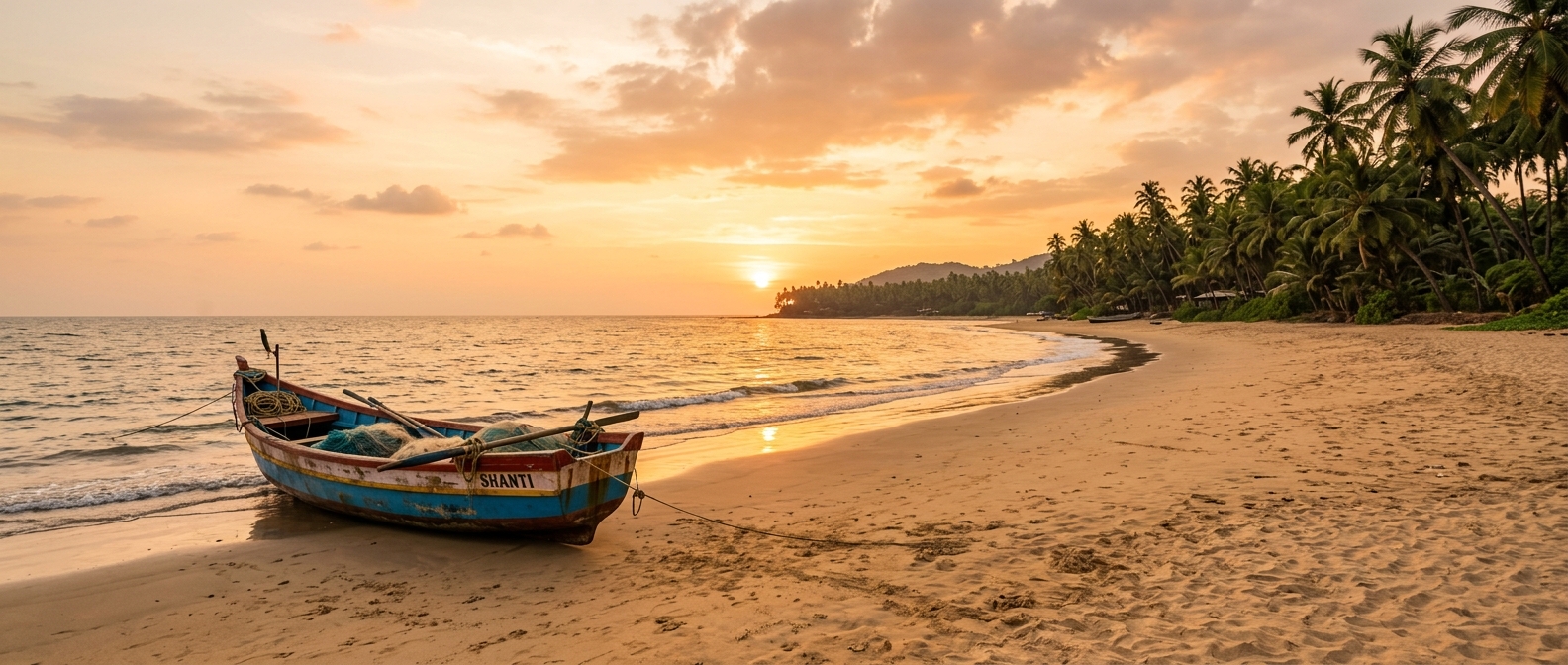
For most short city and tourist itineraries, the advice is bite avoidance rather than tablets. Delhi, Mumbai and Kolkata are low risk. Rajasthan (Jaipur, Jodhpur, Udaipur), Agra and Goa are low risk too, low rather than zero, so mosquito-bite precautions still matter. Antimalarial medication is recommended for higher-risk areas, which include Assam, Odisha, Chhattisgarh, Jharkhand, parts of West Bengal away from Kolkata, and the north-eastern states. The right choice of tablet depends on the exact region and your medical history. For a region-by-region breakdown, see our dedicated guide to malaria tablets for India.
| Area / region | Malaria risk | Recommendation |
|---|---|---|
| Delhi, Mumbai, Kolkata (city only, short stay) | Low | Bite avoidance |
| Rajasthan (Jaipur, Jodhpur, Udaipur), Agra | Very low | Bite avoidance |
| Goa (beach / resort areas) | Low | Bite avoidance |
| Kerala (most areas; assess by area/elevation) | Low | Bite avoidance; assess |
| Above 2,000m (Ladakh, parts of Himachal, Sikkim) | None | No tablets needed |
| Assam, Odisha, Chhattisgarh, Jharkhand | High | Antimalarials recommended |
| North-eastern states; rural West Bengal | High | Antimalarials recommended |
Sources: NaTHNaC TravelHealthPro (India, November 2025); CDC Yellow Book 2025.
Where tablets are recommended, atovaquone/proguanil (£2.50 per tablet) or doxycycline (£0.45 per capsule) are the usual choices; chloroquine is not used in India because resistance is widespread. Mefloquine (Lariam, £3 per tablet) is an option for some people but not all, and was affected by a UK supply shortage into 2026. We’ll confirm current availability and the best option for your trip at your consultation.
A note that matters for many of our patients: travellers visiting family are, as a group, more exposed to malaria, not less. Longer stays, family homes without air-conditioning or nets, time in rural areas, and the very natural sense that a familiar place can’t pose a risk all add up. Having made the trip many times before without a problem doesn’t change the risk on the next one. We raise this gently because it really does change outcomes.
Even where malaria tablets aren’t needed, bite avoidance still is. Dengue is endemic across India and spreads by day-biting mosquitoes, and chikungunya circulates too. DEET-based repellent during the day, covering up at dawn and dusk, and screened or air-conditioned rooms all reduce the risk.
What your trip type means for your vaccines
India isn’t one destination, so a generic list helps no one. Here’s how the recommendations usually break down by trip type. These are starting points; your consultation with Sachin refines them against your actual plans.
| Trip type | Core vaccines | Also consider | From |
|---|---|---|---|
| Golden Triangle tour (Delhi/Agra/Jaipur) | Hep A, Typhoid, DTP | Rabies, Hep B | £105 |
| Goa beach holiday | Hep A, Typhoid, DTP | Rabies, Hep B | £105 |
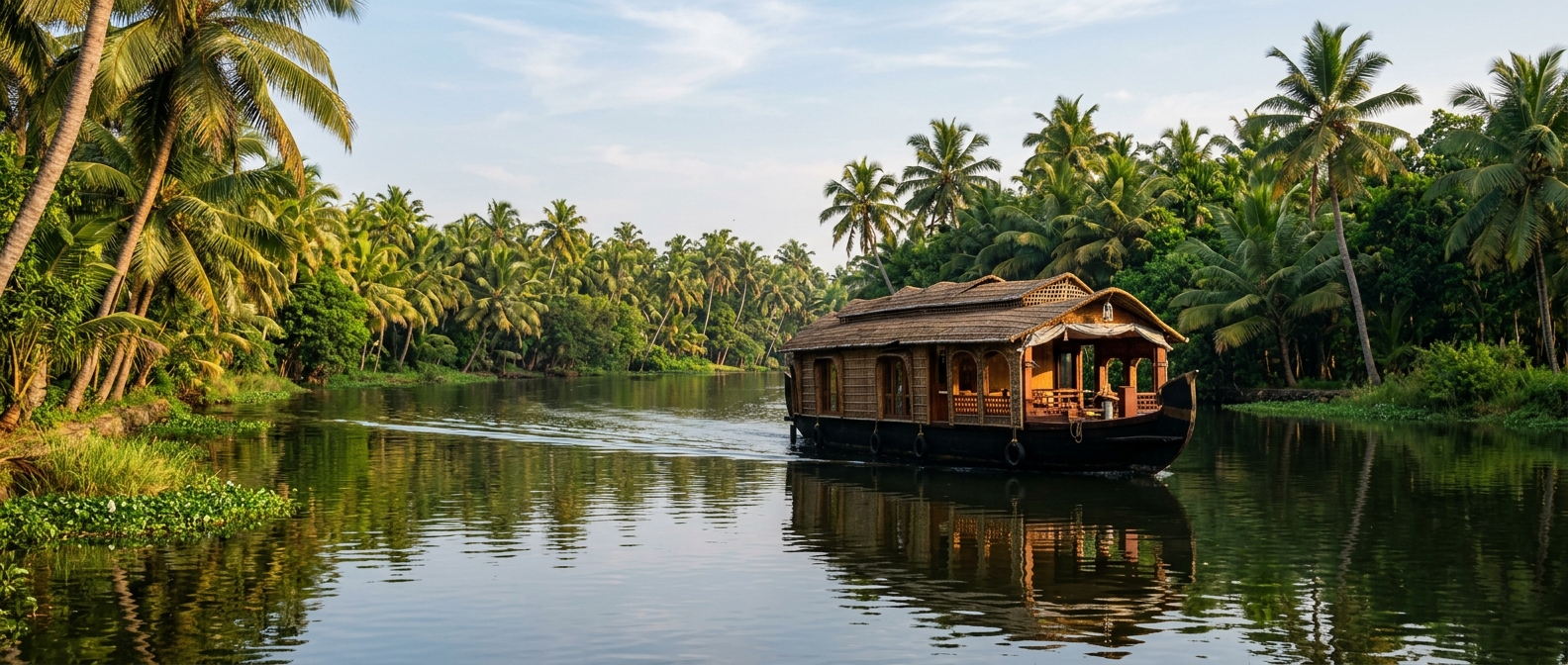
| Kerala / backwaters & culture | Hep A, Typhoid, DTP, Rabies | JE (rural + monsoon), Hep B | £285 |
| Visiting family (multiple states) | Hep A, Typhoid, DTP, Rabies, Hep B | Malaria assessment, JE by area | £405 |
| Pilgrimage (Varanasi, Amritsar, etc.) | Hep A, Typhoid, DTP, Rabies | Meningitis ACWY, Hep B | £285 |
| Business (Mumbai/Bangalore/Delhi) | Hep A, Typhoid, DTP | Rabies, Hep B (repeat travel) | £105 |
Travellers visiting friends and relatives are the heart of what we do for India, and the group whose risk is most often underestimated. Longer stays, home-cooked food and local water, rural visits, and bringing children or elderly relatives along all raise exposure. None of that is a reason to worry about the trip. It’s a reason to talk things through before you go.
Children should be assessed for rabies whatever the overall plan. They’re the most likely to approach an animal and the least likely to mention a small scratch. Most standard vaccines are suitable for children from the relevant ages, and Sachin will confirm paediatric dosing at the appointment.
If you’re pregnant or planning a pregnancy, India needs particular care. It’s a confirmed Zika-risk country, and Zika in pregnancy is associated with birth defects, so this is an important conversation to have before you travel. Some vaccines are suitable in pregnancy and some are not, so we’ll go through it with you individually.
Current health alerts for India
Dengue & chikungunya: both circulate across India, spread by day-biting mosquitoes. No tablet prevents them, so bite avoidance is the protection.
Cholera: 11,730 cases and 58 deaths were reported from January to April 2025 (CDC). Not routine for tourists; relevant for long stays or low-sanitation areas.
Measles: WHO and CDC issued a global alert in May 2025. Make sure your MMR is up to date, particularly if you’re under 30.
Delhi air quality: often severe between October and February. Relevant if you have asthma or another respiratory condition.
None of these should put you off India. They simply make the case for a careful pre-travel consultation, where we work out which apply to your specific trip. Figures above reflect the most recent data in our sources and are re-checked against NaTHNaC and CDC at the time of each booking.
When to book your India vaccines
Six to eight weeks before you travel is the ideal window. Two to four weeks is realistic for most of the core vaccines, and even at the last minute there’s usually something worthwhile we can do. Here’s how to get the timing right.
- Book your consultation as soon as the trip is confirmed. Six to eight weeks out gives the most flexibility, especially if Japanese Encephalitis or a three-dose Hepatitis B course is on your list.
- Bring your itinerary and any vaccination records. The more specific you can be about which states you’re visiting, how long you’re staying, and what you’ll be doing, the more precise our advice will be.
- We review the whole trip with you. Destinations, activities, accommodation, length of stay, who’s travelling, and your vaccine history. Sachin then recommends what’s actually relevant to your route.
- Most vaccines are given the same day. Where a course needs more than one dose, we plan the schedule around your departure date and book any return visits before you leave.
- You leave with a full record. Keep it with your travel documents. If you ever need treatment after an animal bite abroad, the treating clinic will want to know your pre-exposure status.
India vaccine prices at Ealing Travel Clinic
All prices below are current as of June 2026 and re-verified at booking. There is no separate consultation fee. The travel health assessment with Sachin is included in the price of the vaccines you have.
| Vaccine | Doses / schedule | Per dose | Full course |
|---|---|---|---|
| Hepatitis A | 1 before travel (2nd at 6–12 mo for 20+ yr cover) | £45 | £45 |
| Typhoid (injectable) | 1 — 3 years’ protection | £30 | £30 |
| Diphtheria/Tetanus/Polio (DTP) | 1 booster (if overdue in 10 years) | £30 | £30 |
| Rabies (pre-exposure) | 2 doses (days 0 & 7) | £90 | £180 |
| Hepatitis B | 3 doses (accelerated available) | £40 | £120 |
| Japanese Encephalitis | 2 doses (28 or 7 days apart) | £110 | £220 |
| Malaria — Atovaquone/Proguanil | Daily tablet (higher-risk regions) | £2.50 | By duration |
| Malaria — Doxycycline | Daily capsule (higher-risk regions) | £0.45 | By duration |
As a guide: the three core vaccines for a Golden Triangle tour or a Goa beach holiday, Hepatitis A, Typhoid and DTP, come to £105. Adding the rabies course brings it to £285. A fuller package for a long family visit, adding Hepatitis B, comes to £405, and Japanese Encephalitis for relevant rural itineraries takes it to £625. Every appointment includes a risk assessment tailored to your trip; if a vaccine isn’t relevant to where you’re going, we’ll say so. You can see a full breakdown in our India vaccination cost and requirements guide.
Frequently asked questions about India travel vaccines
Are any vaccines mandatory to enter India?
No vaccines are legally required for UK travellers flying directly to India as of June 2026. The only exception is a yellow fever certificate, which India requires from travellers arriving from a country where yellow fever is a risk (much of sub-Saharan Africa and South America). It does not apply to most UK travellers flying direct. Several vaccines are strongly recommended even though none are mandatory, which we cover in our guide to mandatory vaccines for India.
Do I need malaria tablets for India?
It depends on where you’re going. Major cities and the main tourist areas, Delhi, Mumbai, Goa, Rajasthan and Agra, are low risk, and the advice there is bite avoidance rather than tablets. Higher-risk states such as Assam, Odisha, Chhattisgarh, Jharkhand and the north-east do warrant antimalarials. We work it out by your exact itinerary at the consultation.
Which vaccines do I need for Goa?
For a standard Goa beach holiday, the core three, Hepatitis A, Typhoid and a DTP booster, are what most travellers need, with rabies and Hepatitis B worth considering for longer or more adventurous stays. Goa is low risk for malaria, so tablets usually aren’t needed. There’s more in our Goa travel vaccines guide.
How far in advance should I get my India jabs?
Six to eight weeks before travel is ideal, particularly if you need Japanese Encephalitis or a Hepatitis B course. Two to four weeks is enough for the core vaccines, and even closer to departure there’s usually something useful we can do. The earlier you come, the more options stay open.
Is the rabies vaccine really necessary for India?
It’s strongly worth considering. India has one of the highest rates of human rabies deaths in the world, stray dogs are everywhere, and temple monkeys are a known bite risk. Pre-exposure vaccination won’t remove the need for treatment after a bite, but it widens the window to get it and removes the need for immunoglobulin, which is often unavailable in India.
I’m visiting family in India. Do I really need vaccines if I’ve been many times?
Yes, and visiting family is actually one of the higher-risk patterns of travel. Longer stays, home-cooked food, local water and rural visits all raise exposure, and previous trips without illness don’t lower the risk of the next one. We’ll go through exactly what’s relevant for your destination and length of stay.
Can all my India vaccines be done in one appointment?
Usually the core vaccines can, Hepatitis A, Typhoid and DTP, plus the first dose of rabies, Hepatitis B or JE where those are recommended. Multi-dose courses need a return visit, which we’ll schedule clearly before you leave.
Do children need different vaccines for India?
Children have the same core vaccines as adults, with dosing adjusted for age and weight. Rabies is especially worth discussing for children, who are more likely to approach animals and less likely to report a scratch. Sachin confirms paediatric dosing at the appointment.
I’m pregnant and travelling to India. What should I know?
India is a confirmed Zika-risk country, and Zika in pregnancy is linked to birth defects, so it needs careful discussion before you travel. Some vaccines are suitable in pregnancy and some are not. Please book a consultation so we can advise you individually.
How much do India travel vaccines cost?
The three core vaccines come to £105. Adding rabies brings it to £285; a fuller package with Hepatitis B for a long family stay is £405, and Japanese Encephalitis for rural itineraries takes it to £625. Consultation is included in the price, with no separate fee.
What if I’m flying to India in a few days?
Come in as soon as you can. Hepatitis A and typhoid both give meaningful protection within one to two weeks, and we can often start an accelerated schedule for other vaccines. Call 0208 567 0982 and we’ll tell you clearly what’s achievable before you go.
A good India consultation takes around 30 minutes and covers everything before you go: vaccines, a malaria assessment where it’s relevant, bite avoidance, food and water advice, and any current alerts for your route. Most people leave with their vaccines done the same day.
Sachin and the team see travellers heading to India every week, Golden Triangle tours, Goa and Kerala holidays, pilgrimages, business trips, and long family visits across multiple states. Whatever your trip looks like, bring your plans and we’ll work through them with you. No standard lists, no recommendations you don’t need.
Table of Contents
- The vaccines we recommend for almost every India trip
- Vaccines that depend on your itinerary
- Do you need malaria tablets for India?
- What your trip type means for your vaccines
- Current health alerts for India
- When to book your India vaccines
- India vaccine prices at Ealing Travel Clinic
- Frequently asked questions about India travel vaccines
- Are any vaccines mandatory to enter India?
- Do I need malaria tablets for India?
- Which vaccines do I need for Goa?
- How far in advance should I get my India jabs?
- Is the rabies vaccine really necessary for India?
- I’m visiting family in India. Do I really need vaccines if I’ve been many times?
- Can all my India vaccines be done in one appointment?
- Do children need different vaccines for India?
- I’m pregnant and travelling to India. What should I know?
- How much do India travel vaccines cost?
- What if I’m flying to India in a few days?

