
Vaccines for a Yoga Retreat in India: What You Need
July 9, 2026
6 minute read
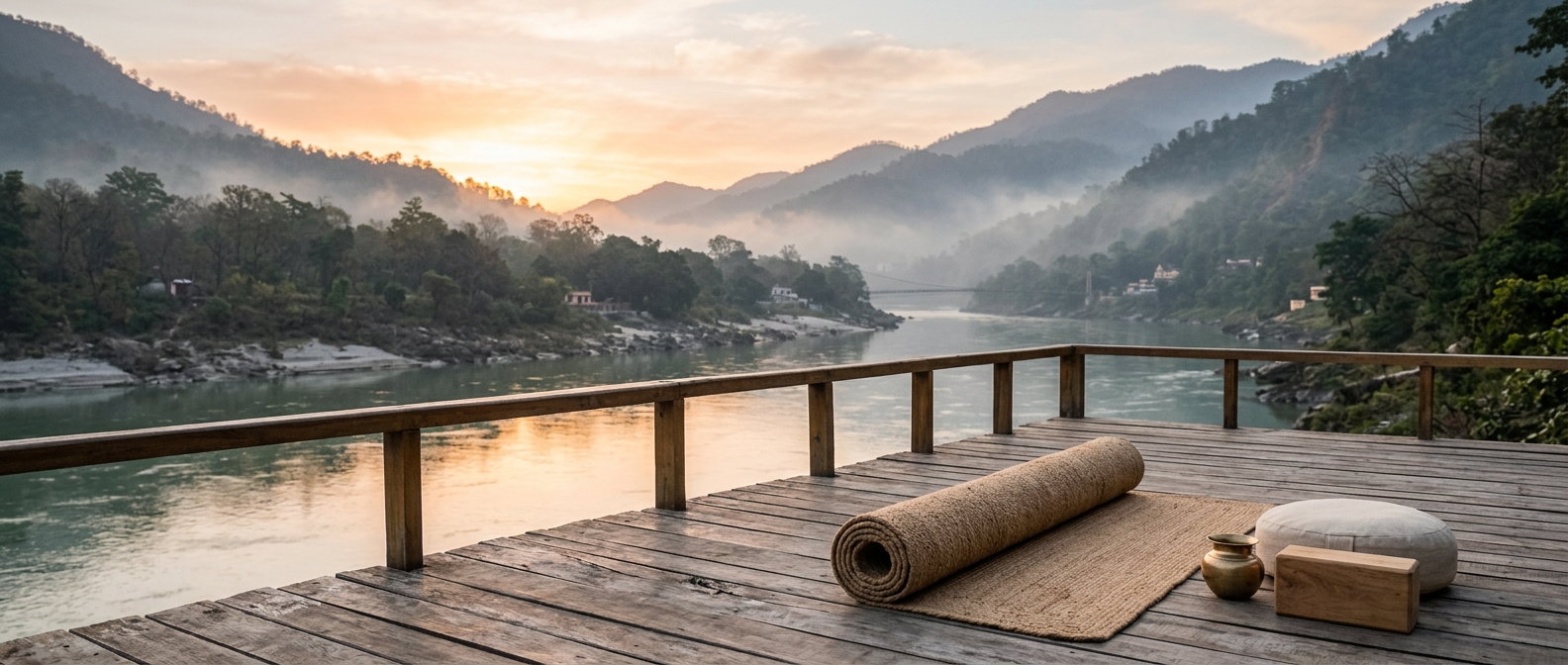
A yoga retreat in India is a wonderful trip, and it comes with a slightly different health picture from a standard holiday. Retreats tend to be longer, based in places like Rishikesh, Goa, Kerala or Mysore, and involve more local food, river bathing and time in natural surroundings. That mix shapes which vaccines are worth having, so the vaccines for a yoga retreat in India are worth a proper think rather than an afterthought. This guide walks through them, and it sits alongside our full guide to travel vaccines for India if your plans go beyond the retreat.
The core vaccines every yoga traveller should have
Three vaccines form the foundation for any trip to India, and a retreat is no exception. Hepatitis A spreads through contaminated food and water and is present across India, so a vegetarian ashram menu does not remove the risk, the exposure comes from the water and food supply chain. Typhoid is the same story, food and water-borne, and especially relevant when you are eating communal, locally prepared meals for weeks. The third is a diphtheria, tetanus and polio (DTP) booster, worth checking because tetanus enters through cuts and grazes, which are easy to pick up walking barefoot or exploring on foot.
These three come to £105 in total, with the consultation included, and they are the sensible baseline for every retreat.

Why a longer retreat changes the picture
Retreats often run two to four weeks or more, and length of stay is what pushes two more vaccines up the list. Hepatitis B becomes more relevant the longer you are away, covering exposure through any medical or dental treatment, tattoos or piercings, or new relationships. It is a three-dose course, so it rewards planning ahead. Rabies deserves particular attention on a yoga trip. Retreat settings put you around stray dogs and, in places like Rishikesh, temple and riverside monkeys that are a well-known bite and scratch risk. India records around 20,000 human rabies deaths a year, and a pre-exposure course widens the window to get treatment if you are ever bitten. You can read who needs these and why in our complete India travel vaccines guide.

What your retreat location means
Where you are based shifts the emphasis. Rishikesh, in the Himalayan foothills, is about river bathing and monkeys, so rabies and the water-borne vaccines matter most. Goa is a low-malaria beach base where the core three plus rabies cover most people. Kerala’s backwaters and humidity bring a little more freshwater and mosquito exposure, so bite avoidance and, for some, rabies and hepatitis B come into play. Mysore, a classic Ashtanga base in the south, is a city setting where the core vaccines lead.
| Retreat base | Core | Worth considering |
|---|---|---|
| Rishikesh (Ganges, Himalayan foothills) | Hep A, Typhoid, DTP | Rabies (monkeys), Hep B |
| Goa (beach) | Hep A, Typhoid, DTP | Rabies, Hep B |
| Kerala (backwaters) | Hep A, Typhoid, DTP | Rabies, Hep B; bite avoidance |
| Mysore (city, southern India) | Hep A, Typhoid, DTP | Hep B for longer stays |
Malaria and mosquito-borne illness
Malaria risk depends on the region. The main retreat bases, Rishikesh, Goa, Kerala and Mysore, are generally low risk, so the advice for most yoga travellers is bite avoidance rather than tablets. Antimalarials come into play mainly for higher-risk states, and we assess this by your exact route. There is a full region-by-region breakdown in our guide to malaria tablets for India.
Bite avoidance matters everywhere, because dengue and chikungunya are spread by day-biting mosquitoes and no tablet prevents them. Use a DEET-based repellent through the day, cover up at dusk, and choose screened or air-conditioned rooms. There is also a chikungunya vaccine, and a dengue vaccine (Qdenga), which suit some travellers depending on the trip and medical history, so ask us at your consultation.
When to book your retreat vaccines
Retreats are usually booked well ahead, which is ideal, because six to eight weeks gives room for the multi-dose courses like rabies and hepatitis B. Two to four weeks is enough for the core vaccines, and even close to departure there is usually something worthwhile we can do. The sooner you come in, the more options stay open, and the calmer your pre-retreat admin will be.
Check availability and book online →
Frequently asked questions
Which vaccines do I need for a yoga retreat in India?
For most retreats, hepatitis A, typhoid and a DTP booster, £105 in total. Because retreats are longer and involve local food, river bathing and animals, rabies and hepatitis B are well worth considering. We tailor the list to your base and length of stay at the consultation.
Do I need the rabies vaccine for Rishikesh?
It is well worth considering. Rishikesh has both stray dogs and monkeys around the temples and riverside, and monkeys are a recognised bite and scratch risk. Pre-exposure rabies vaccination widens the window to get treatment if you are ever bitten, and removes the need for hard-to-source immunoglobulin.
Is it safe to bathe in the Ganges?
Many retreats include it, and vaccination against hepatitis A and typhoid covers the main water-borne risks. Freshwater immersion also carries a small leptospirosis risk and can irritate skin and eyes, so avoid swallowing the water and keep cuts covered. Mention planned river bathing at your consultation and we will advise.
Do I need malaria tablets for a yoga retreat?
Usually not. The main retreat bases are low risk, so bite avoidance is the recommendation for most travellers. Antimalarials are mainly for higher-risk states. See our malaria tablets for India guide for the regional detail.
How far ahead should I get vaccinated for my retreat?
Six to eight weeks is ideal, especially for rabies or a hepatitis B course. Two to four weeks covers the core vaccines. Since retreats are usually booked months in advance, coming in early is easy and gives you every option.
I am doing a long retreat. Does that change anything?
Yes. Longer stays raise the case for hepatitis B and rabies, and make it more likely you will encounter local food, water and animals over time. A quick consultation matches the plan to your length of stay and base.
If a retreat is on the horizon, a short consultation gets it sorted, often the same day. Bring your dates and location and we will confirm your India vaccine recommendations for the trip.
Table of Contents

