
Zika Virus Pregnancy London: What to Do If You Travelled While Pregnant
January 30, 2026
7 minute read
Eight weeks pregnant. The test was positive three weeks ago. You’ve already started looking at prams online, told your family, maybe even bought a tiny outfit you couldn’t resist.
Then it hits you: you were in Thailand just before you got pregnant. Or was it after? The dates are blurry. You took that work trip to Mexico in early January. The Caribbean cruise was… when exactly?
Zika virus. You’ve read about babies with underdeveloped brains. Pregnant women avoiding travel. Now you’re wondering if your baby is at risk.
First, breathe. Most people who travel to Zika areas don’t get infected. Most people who do get infected don’t have symptoms. Even among infected pregnant women, most babies are born healthy. But you need concrete answers, not internet panic.
At Ealing Travel Clinic in West London, we provide urgent Zika virus testing for pregnant women who’ve travelled to affected areas.

What You Need to Know Right Now
The facts:
- 80% of Zika infections cause no symptoms (you might have been exposed and not known)
- If infected during pregnancy, 5-14% of babies develop birth defects related to Zika
- Testing can determine if you’ve been infected
- Early detection allows proper monitoring throughout pregnancy
- Most pregnant women who travelled to Zika areas test negative
What this means for you: Getting tested doesn’t mean your baby is at risk. It means you’re being responsible and proactive.
Testing gives you information to make informed decisions with your healthcare team about pregnancy monitoring.
For comprehensive information about Zika virus testing in London, see our complete guide to Zika virus testing.
When Should You Get Tested?
Test immediately if:
- You travelled to a Zika-affected area while pregnant
- You travelled in the month before discovering you were pregnant
- Your partner travelled to a Zika area and you’ve had unprotected sex
- You have or had symptoms (fever, rash, joint pain, red eyes) within 2 weeks of travel
Wait at least 15 days after travel before testing. Testing earlier gives false negatives because your body needs time to produce detectable antibodies.
Pregnancy Testing Timeline
Pregnant and travelled to a Zika area? Get tested as soon as the 15-day window passes. Don't wait.
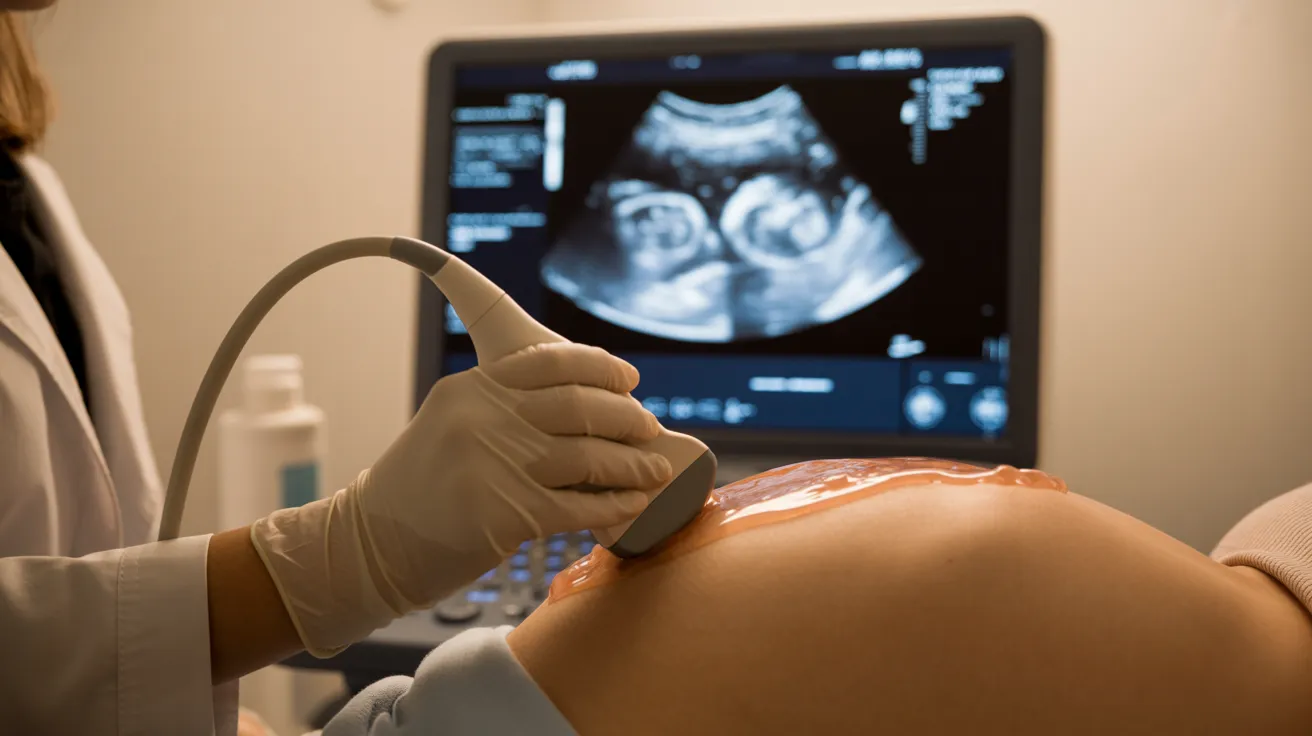
Early detection means proper foetal monitoring with additional ultrasounds checking for signs of congenital Zika syndrome.
Where You Travelled Matters
Not all destinations carry the same Zika risk. High-risk areas for Zika transmission include:
Caribbean: Jamaica, Dominican Republic, Puerto Rico, Barbados
Central America: Mexico, Guatemala, Costa Rica, Panama
South America: Brazil, Colombia, Venezuela, Peru
Southeast Asia: Thailand, Vietnam, Philippines, Indonesia, Malaysia
Lower risk but documented: Parts of India, Papua New Guinea, Pacific Islands
If you travelled to these areas while pregnant or in the month before conception, testing is warranted.

What Happens If You Test Positive?
A positive Zika test during pregnancy doesn’t mean your baby will definitely have problems. It means you need enhanced monitoring.
Enhanced monitoring includes:
- Serial ultrasounds every 3-4 weeks to monitor foetal growth and brain development
- Referral to maternal-foetal medicine specialist
- Detailed anatomy scans looking specifically for microcephaly and brain abnormalities
- Discussion of all pregnancy options with your healthcare team
- Coordination with paediatric specialists for delivery planning
What the research shows: According to CDC data, among pregnant women with confirmed Zika infection, approximately 5-14% of babies are born with birth defects or develop neurodevelopmental problems.
This means 85-95% of babies born to infected mothers are healthy.
The risk is highest when infection occurs during the first trimester, but infection at any stage of pregnancy requires monitoring.
💊 Don't Panic
A positive Zika test is concerning but not a guarantee of problems. Many babies born to Zika-positive mothers are completely healthy.
Enhanced monitoring means early detection of any issues. Proper preparation for your baby's arrival.
At Ealing Travel Clinic (30 Northfield Avenue, London W13 9RL):
Step 1: Book here. We prioritise pregnant women for urgent appointments. Often same-day or next-day appointments available.
Step 2: Quick blood test Takes less than 5 minutes. We test for both IgM (recent infection) and IgG (past infection) antibodies.
Step 3: Fast results Results typically in 3-4 working days after lab receives sample. We understand the anxiety of waiting while pregnant.
Step 4: Clear explanation We’ll explain what your results mean for your pregnancy and connect you with appropriate maternal-foetal medicine services if needed.
Cost: £200 (includes consultation, blood test, lab analysis, and results interpretation)
For detailed information about the testing process, see our main Zika testing guide.
What If You Have No Symptoms?
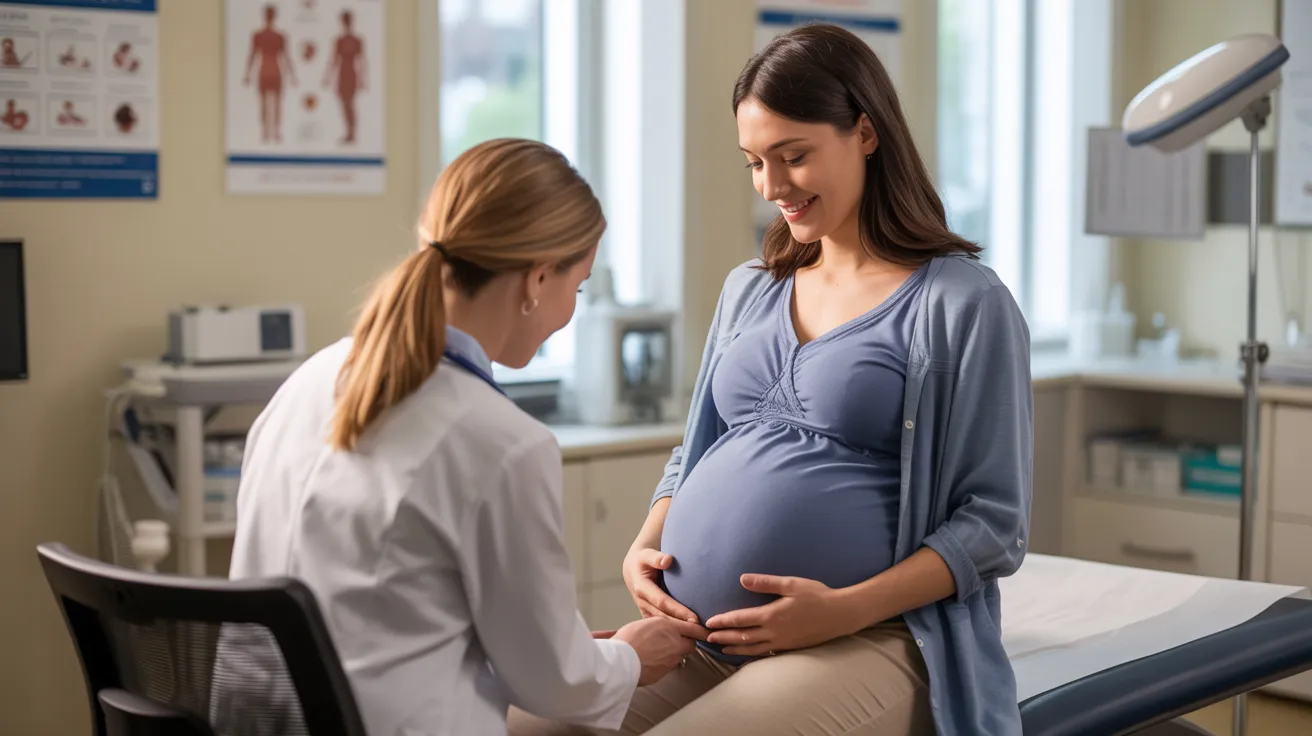
80% of Zika infections are asymptomatic. You could have been infected without any signs at all. This is why testing is important even if you felt completely fine during and after your trip.
Don’t assume no symptoms = no infection.
If you travelled to a Zika-affected area while pregnant, testing is recommended regardless of symptoms. The only way to know for certain is through blood testing.
Your Partner Travelled – Should You Worry?
Yes, consider testing. Zika can be sexually transmitted. If your male partner travelled to a Zika area and you’ve had unprotected sex while pregnant, there’s potential risk of transmission.
CDC guidance for pregnant women with partners who travelled:
- Use condoms for the remainder of pregnancy, OR
- Get tested to determine if partner was infected
- Partner should also get tested
Men can carry Zika virus in semen for up to 6 months after travel, even without symptoms. Sexual transmission during pregnancy has been documented and poses the same risks as mosquito-borne transmission.
Timeline: When Infection Happened Matters
Travelled before knowing you were pregnant: If you travelled during what would have been early pregnancy (weeks 1-4), this is still first-trimester exposure when risk is highest. Testing is strongly recommended.
Travelled during first trimester (weeks 1-12): Highest risk period for birth defects. Definitely test.
Travelled during second trimester (weeks 13-26): Lower risk than first trimester but still concerning. Testing recommended.
Travelled during third trimester (weeks 27-40): Lowest risk period but still important to test, especially if symptomatic.
Working with Your NHS Midwife or Obstetrician
After testing at Ealing Travel Clinic, you’ll need to coordinate results with your NHS maternity team.
What to tell your midwife:
- Exact dates of travel to Zika-affected area
- Test results from Ealing Travel Clinic
- Any symptoms experienced during or after travel
- Partner’s travel history
Your NHS team will determine appropriate monitoring based on your results. If positive, you’ll likely be referred to a foetal medicine unit for specialised care.
Practical Steps to Take Today
Right now:
- Book your appointment here
- Note exact dates of your travel
- Write down any symptoms you had (even if they seemed minor)
- Check partner’s travel history
After testing:
- Inform your midwife or GP about your travel history and test results
- Attend all scheduled pregnancy appointments
- Request referral to maternal-foetal medicine if positive result
- Follow mosquito bite prevention if you must travel during pregnancy
Moving forward: If negative result: Continue normal pregnancy care with standard monitoring.
If positive result: Enhanced ultrasound monitoring and specialist care coordination.
Why Fast Action Matters
Early detection of Zika infection during pregnancy allows:
- Earlier baseline ultrasounds to compare foetal development
- More time to arrange enhanced monitoring
- Better preparation if issues are detected
- Access to appropriate specialist care
- Informed decision-making throughout pregnancy
Waiting doesn’t change the outcome, but it delays the information you need to ensure the best possible care for your baby.
Take Action Now
Stop worrying. Get tested. Get answers. Get proper care.
Your baby’s health starts with information.
Ealing Travel Clinic 30 Northfield Avenue, London W13 9RL. Book here. Serving Ealing, Acton, Hanwell, and all of West London
Urgent appointments available for pregnant women. Results in 3-4 working days. Enhanced support and NHS coordination included.
For complete information about Zika virus testing including waiting periods, testing process, and comprehensive risk information, read our complete guide to Zika virus testing in London.
Frequently Asked Questions About Zika Virus and Pregnancy in London
Book Your Zika Virus Test in London Today
Get concrete answers about Zika before trying to conceive. Whether you’re planning pregnancy after travelling, already pregnant and concerned about exposure, or just want peace of mind before starting your family, Zika virus testing gives you the information you need to make safe decisions.
Ealing Travel Clinic 30 Northfield Avenue, London W13 9RL Phone: 0208 567 0982 Online booking here.
Serving: Ealing, Acton, Hanwell, and all of West London
Zika testing appointments available throughout the week. Results in 3-4 working days. Same-day appointments often available.
Remember: Even with a negative test, wait 8 weeks after return before trying to conceive (3 months for men). A £200 test now could prevent a lifetime of heartbreak. Your baby’s health is worth the wait.


Table of Contents
- What You Need to Know Right Now
- When Should You Get Tested?
- Where You Travelled Matters
- What Happens If You Test Positive?
- What If You Have No Symptoms?
- Your Partner Travelled – Should You Worry?
- Timeline: When Infection Happened Matters
- Working with Your NHS Midwife or Obstetrician
- Practical Steps to Take Today
- Why Fast Action Matters
- Take Action Now
- Frequently Asked Questions About Zika Virus and Pregnancy in London
- Book Your Zika Virus Test in London Today

