
Pakistan Travel Vaccines: What You Actually Need
July 17, 2026
11 minute read
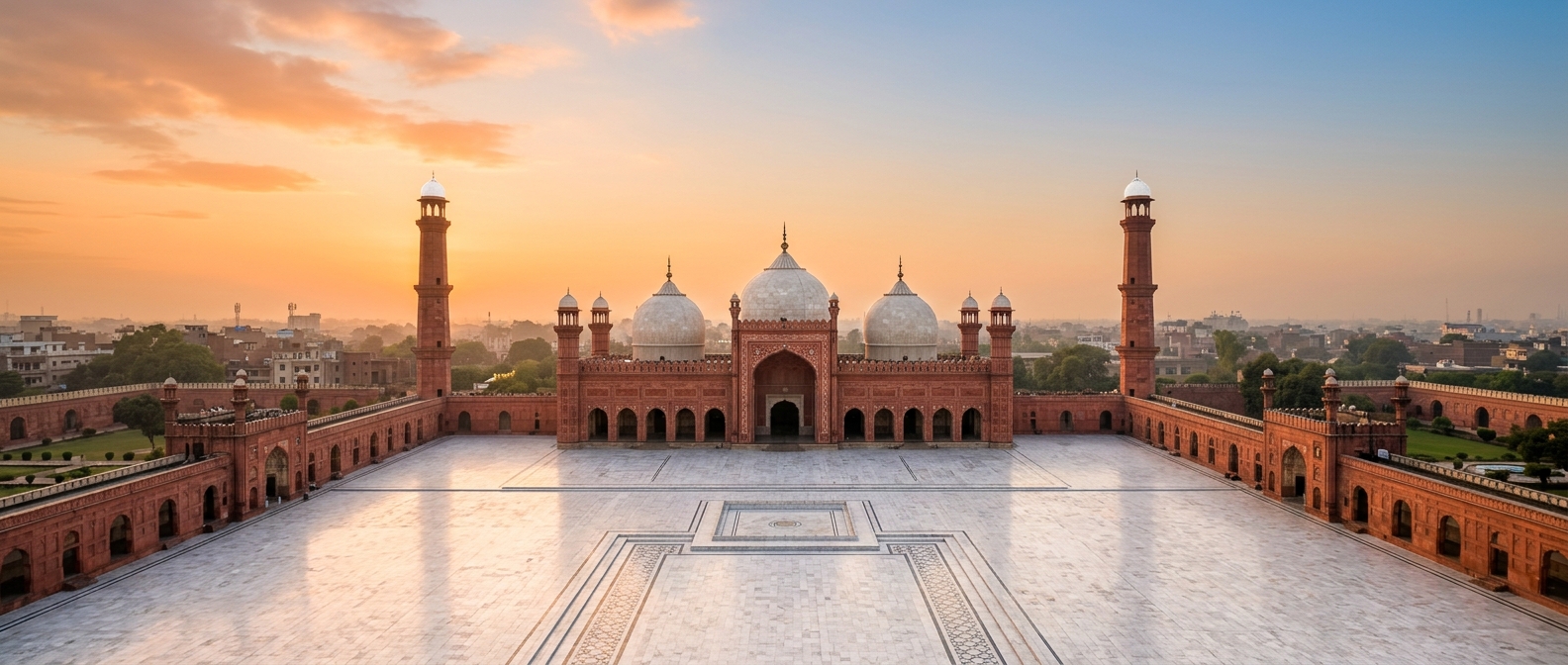
Whether you are heading home to see family in Lahore or Karachi, exploring the mountains of the north, or travelling for work, the first practical question is usually the same: which jabs do you need? We help West London travellers sort their Pakistan travel vaccines every week, and a large share are visiting friends and relatives, who often have the most to think about and the least urgency about it.
At Ealing Travel Clinic on 30 Northfield Avenue, we tailor the list to your actual trip rather than handing out a generic sheet. A fortnight of family visits in a city is a different picture from a month across several regions, or a trek in the Karakoram. A few vaccines are recommended for almost everyone, a couple are specific to Pakistan in ways that surprise people, and the rest depend on where you go and how long you stay.
Here is what most travellers to Pakistan need, what is unique to Pakistan, and what comes down to your itinerary.
Two things are Pakistan-specific: typhoid there is often drug-resistant, which makes the vaccine more important, and if you are staying four weeks or more you may be asked for proof of polio vaccination when you leave the country.
By itinerary: Rabies (£90 per dose / £180 course), Hepatitis B (£40 per dose / £120 course). Malaria depends on where you go. Consultation is included in every price.
The vaccines almost everyone needs for Pakistan
Three vaccines form the foundation for nearly every trip to Pakistan, because they cover risks that come simply from eating, drinking and being in the country.
Hepatitis A spreads through contaminated food and water and is common across Pakistan, so it is recommended for all travellers and especially for anyone visiting family, where home-cooked meals and local water are part of the trip. A single dose gives around 95% protection within two weeks, and a second dose six to twelve months later extends that to over twenty years. It is £45 per dose.
Typhoid matters more for Pakistan than for many destinations. It is common there, and Pakistan has seen the rise of extensively drug-resistant (XDR) typhoid, which does not respond to most of the antibiotics normally used to treat it. That makes preventing it through vaccination the sensible route rather than relying on treatment. The injectable vaccine is a single dose at £30 and protects for three years.
The Diphtheria, Tetanus and Polio booster is the third, and it does double duty for Pakistan. It keeps your tetanus cover current, and the polio part matters because Pakistan is one of the very few countries where polio still circulates. It is £30, and if your last booster was more than ten years ago, you are due one.
The polio certificate: a Pakistan-specific rule
This one catches people out, so it is worth spelling out. Because polio is still present in Pakistan, the World Health Organization asks that travellers staying in the country for four weeks or more show proof of polio vaccination when they leave. That proof needs to be recorded on an International Certificate of Vaccination or Prophylaxis (ICVP), given between four weeks and twelve months before you depart Pakistan.
For a short holiday it does not apply, but for the longer family visits many of our patients make, it can. As a registered travel clinic we can give the polio vaccination and issue the certificate in the same appointment, so you are not caught out at the airport on the way home. If you are unsure whether it applies to your trip, ask us and we will check the length of your stay against the rule.
Vaccines that depend on your itinerary
Beyond the core three, a few vaccines come down to where you are going, how long you are staying and what you plan to do.
Rabies deserves real thought for Pakistan. Stray dogs are common in both towns and rural areas, and rabies immunoglobulin, the treatment needed after a higher-risk bite, is difficult to obtain reliably. Pre-exposure vaccination does not remove the need for urgent treatment after a bite, but it buys time and removes the need for that scarce immunoglobulin. We recommend considering it for longer stays, rural travel, children, and anyone spending time around animals. It is £90 per dose, £180 for the two-dose pre-exposure course.
Hepatitis B is worth considering for longer trips, anyone who might need medical or dental treatment, and repeat visitors. It is a blood-borne infection, and the course is £40 per dose, £120 in total. For extended family visits it is a common addition.
A couple of others come up by circumstance. Cholera may be considered for those travelling to areas with poor sanitation or after flooding, which has driven outbreaks in recent years. And travellers combining a trip to Pakistan with Hajj or Umrah in Saudi Arabia will need the meningococcal ACWY vaccine and certificate that Saudi Arabia requires. We cover both if they apply to you.
Do you need malaria tablets for Pakistan?
For many city-based trips, no, but Pakistan carries more malaria risk than some neighbouring destinations, so it deserves a careful answer. Risk exists throughout the country below 2,000m, mainly in rural areas, and it rises from around July to December after the monsoon, when flooding increases mosquito breeding. It is higher in rural Sindh, Balochistan and Khyber Pakhtunkhwa, and much lower in the major cities and most of Punjab.
| Area | Malaria risk | Tablets? |
|---|---|---|
| Major cities (Karachi, Lahore, Islamabad) — short stay | Low | Bite avoidance |
| Most of Punjab (incl. northern Punjab) | Low | Bite avoidance |
| Northern mountains above 2,000m (Hunza, Skardu) | None | No |
| Rural Sindh, Balochistan, Khyber Pakhtunkhwa | Higher (Jul–Dec) | Often yes |
| Rural areas generally, below 2,000m | Present | Assess by area/season |
Sources: NaTHNaC TravelHealthPro (Pakistan); CDC Yellow Book. Risk assessed by itinerary and season.
Where tablets are recommended, atovaquone/proguanil (£2.50 per tablet) or doxycycline (£0.45 per capsule) are the usual choices, and we advise on the best fit for your route and health. Bite avoidance matters everywhere, though, because dengue is a serious and growing problem in Pakistan, with large seasonal outbreaks in cities like Lahore and Karachi during and after the monsoon. There is no tablet for dengue, so a DEET-based repellent through the day, covering up at dusk, and screened or air-conditioned rooms all help.

Which kind of Pakistan traveller are you?
The right list depends as much on your style of trip as your destination. These are the profiles we see most often at the clinic.
| Trip type | Core vaccines | Also consider | From |
|---|---|---|---|
| Visiting family (VFR) — the most common trip | Hep A, Typhoid, DTP | Rabies, Hep B, polio certificate, malaria by area | £105 |
| Northern adventure (Hunza, Skardu, K2 region) | Hep A, Typhoid, DTP, Rabies | Hep B; altitude advice | £285 |
| Business (Karachi, Lahore, Islamabad) | Hep A, Typhoid, DTP | Hep B for repeat visits | £105 |
| Pilgrimage combined with Hajj/Umrah | Hep A, Typhoid, DTP | Meningococcal ACWY (required for Saudi Arabia) | £105 |
Travellers visiting friends and relatives are our biggest Pakistan group, and the one whose risk is most often underestimated. Longer stays, home-cooked food and local water, rural family villages and bringing children along all raise exposure, and a familiar destination can feel safer than it is. We have written a full guide for this: vaccines for visiting family in Pakistan.
Current health alerts for Pakistan
Typhoid (drug-resistant): extensively drug-resistant typhoid circulates in Pakistan, which is why vaccination is strongly advised.
Dengue: large seasonal outbreaks in cities during and after the monsoon (roughly August to November). No tablet prevents it; bite avoidance is the defence.
Polio: still present in Pakistan; keep your booster current, and note the proof-of-vaccination rule for stays of four weeks or more.
Measles: ensure your MMR is up to date before travelling.
None of these should put you off the trip. They simply make the case for a short pre-travel consultation, where we work out which apply to your specific plans. Figures and alerts are re-checked against NaTHNaC and the CDC at the time of each booking.
When to book your Pakistan vaccines
Six to eight weeks before you fly is the ideal window, especially if you need rabies or a hepatitis B course, or the polio certificate for a long stay. Two to four weeks is enough for the core vaccines, and even at the last minute there is usually something worthwhile we can do. The earlier you come, the more options stay open.
- Book as soon as your trip is confirmed, and tell us how long you are staying so we can check the polio certificate rule.
- Bring your itinerary and any vaccination records, including which cities and regions you will visit and whether any are rural.
- We review the trip and recommend what is relevant, nothing you don’t need. Most people have their core vaccines the same day.
- We plan any multi-dose courses (rabies, hepatitis B) around your departure date and issue certificates where needed.
Check availability and book online →
Pakistan vaccine prices at Ealing Travel Clinic
Prices are per dose, and the consultation is included. There is no separate assessment fee.
| Vaccine | Doses | Per dose | Full course |
|---|---|---|---|
| Hepatitis A | 1 before travel (2nd at 6–12 mo) | £45 | £45 |
| Typhoid | 1 | £30 | £30 |
| Diphtheria/Tetanus/Polio (covers the exit certificate) | 1 booster | £30 | £30 |
| Rabies (pre-exposure) | 2 (days 0 & 7) | £90 | £180 |
| Hepatitis B | 3 | £40 | £120 |
| Cholera | 2 | £45 | £90 |
| Meningococcal ACWY (Hajj/Umrah) | 1 | £45 | £45 |
| Malaria — Atovaquone/Proguanil | Daily tablet | £2.50 | By duration |
As a guide, the three core vaccines come to £105, with the consultation included. Adding rabies brings it to about £285, and a fuller package with hepatitis B for a long family visit to around £405. We only recommend what your trip calls for.
Pakistan travel vaccines: frequently asked questions
What vaccines do I need for Pakistan?
Almost everyone needs hepatitis A, typhoid and an up-to-date diphtheria, tetanus and polio booster. Depending on your trip, rabies, hepatitis B and, for long stays, the polio exit certificate come into play. We tailor it to your route and length of stay.
Do I need proof of polio vaccination to leave Pakistan?
If you stay for four weeks or more, you may be asked for proof of polio vaccination when you leave, recorded on an ICVP certificate given 4 weeks to 12 months before departure. We provide the vaccine and the certificate. For a short holiday it does not apply.
Why is the typhoid vaccine so important for Pakistan?
Typhoid is common in Pakistan, and the country has extensively drug-resistant (XDR) strains that do not respond to most oral antibiotics. That makes preventing it with the vaccine much more sensible than relying on treatment. It is a single dose that lasts three years.
Do I need malaria tablets for Pakistan?
It depends on where you go and when. Major cities and most of Punjab are low risk, while rural Sindh, Balochistan and Khyber Pakhtunkhwa carry more, especially from July to December. We assess it against your itinerary, and bite avoidance always applies for dengue.
Is the rabies vaccine necessary for Pakistan?
It is worth considering, particularly for longer stays, rural travel and children. Stray dogs are common, and the immunoglobulin needed after a higher-risk bite is hard to obtain. Pre-exposure vaccination gives you more time to reach treatment.
I’m visiting family in Pakistan. Do I need vaccines if I go often?
Yes, and visiting family is actually one of the higher-risk patterns of travel. Home-cooked food, local water, rural visits and longer stays all raise exposure, and previous trips without illness don’t lower the risk of the next one. See our guide for visiting family in Pakistan.
How much do Pakistan travel vaccines cost?
The three core vaccines come to £105, consultation included. Adding rabies brings it to about £285, and a fuller package with hepatitis B to around £405. We only recommend what is relevant to your trip.
How far in advance should I get vaccinated?
Six to eight weeks is ideal, especially for rabies, hepatitis B or the polio certificate. Two to four weeks covers the core vaccines, and even closer to departure there is usually something worthwhile. Come in as soon as your trip is booked.
Do I need a yellow fever certificate for Pakistan?
Not if you are travelling directly from the UK. Pakistan requires a yellow fever certificate only from travellers arriving from a country with yellow fever risk. There is no yellow fever in Pakistan itself.
Pakistan is a rewarding trip, and a short consultation makes sure the health side is sorted before you go. Whether you are visiting family, heading for the mountains or travelling for work, bring your plans and we will confirm exactly what you need.
Table of Contents

