
Meningitis B Vaccine for University Students London: Complete Vaccination Guide
April 27, 2026
9 minute read
Got your university place sorted? What about Meningitis B protection?

Accommodation confirmed, student loan approved, freshers’ wristband already ordered. Whether you’re heading to UCL, King’s College, Imperial, LSE, Queen Mary, or any London university, here’s what most students miss: the NHS stopped vaccinating against Meningitis B before you were old enough to benefit from it.

If you were born before May 2015, you’re heading to university halls without MenB protection. The school vaccine (MenACWY) you had in Year 9? That protects against strains A, C, W, and Y – not strain B, which causes most UK meningococcal cases.
Following the March 2026 Kent outbreak where 21 confirmed MenB cases occurred (including 13 university students) at a single nightclub event with 4,800 attendees, vaccination enquiries from London parents and families have increased dramatically.
The outbreak highlighted what many families didn’t realise: MenB vaccination isn’t included in the school programme, and private vaccination is the only option for current university students.
At Ealing Travel Clinic, we provide Trumenba (Pfizer) MenB vaccination for London university students and families. Two doses given 6 months apart, £240 total, with same-day appointments available. If you’re starting university in September, ideally begin vaccination in February or March for optimal protection.
Book your university MenB vaccination – serving students across London including Ealing, Acton, Hammersmith, Chiswick, Shepherd’s Bush, Brentford, and surrounding areas.
For comprehensive information about MenB vaccination, see our complete guide to private Meningitis B vaccination in Ealing.
Why University Students Need MenB Vaccination
MenB Vaccination for London University Students
London universities create unique risk environments for meningococcal disease. Whether you’re attending UCL in Bloomsbury, King’s College on the Strand, Imperial in South Kensington, LSE in Holborn, Queen Mary in Mile End, or City University in Islington, university halls and student accommodation present the same close-contact transmission risks.
March 2026 Kent Outbreak - University Students at Risk
The March 2026 Kent outbreak involved 4,800 nightclub attendees with 21 confirmed MenB cases - 13 of them university students. This demonstrates how quickly meningococcal bacteria spread in student social environments. Close-contact settings like shared kitchens, bathrooms, and social events create ideal transmission conditions. MenB vaccination provides protection against this specific strain that school vaccines (MenACWY) don't cover.
Students across London boroughs face identical exposure patterns: shared kitchens, communal bathrooms, busy social lives, and crowded transport. The Piccadilly, Central, Northern, and other Tube lines connect student populations across the capital, creating additional transmission opportunities during daily commutes between lectures, libraries, and accommodation.
Ealing Travel Clinic serves university students and families from across London. Convenient Piccadilly Line connections from Northfields and South Ealing stations make us accessible from central London universities. Whether you’re based in Westminster, Camden, Islington, Hammersmith, or outer London areas, we provide same-day MenB vaccination appointments.
The Halls of Residence Risk

University accommodation creates perfect conditions for meningococcal transmission. Shared kitchens mean multiple people touching the same surfaces, handles, and appliances. Shared bathrooms increase exposure to respiratory droplets. Small rooms with poor ventilation concentrate bacteria. Late-night socialising involves close contact, sharing drinks, and kissing – all direct transmission routes.
During freshers’ week, you’ll meet hundreds of students from across the UK and internationally, each potentially carrying different bacterial strains. Your immune system encounters new exposures constantly. Add sleep deprivation, irregular eating, stress, and alcohol, and your resistance drops just when exposure peaks.

Starting university creates increased risk through halls of residence and shared accommodation, close contact with students from across the UK and internationally, busy social environments, and shared kitchens and bathrooms.
Timing your vaccination: Ideally, start vaccination by June or July to allow time for both doses before September university start. At minimum, get your first dose before arrival and your second dose during first term. Remember that full protection develops 6-8 weeks after first dose.
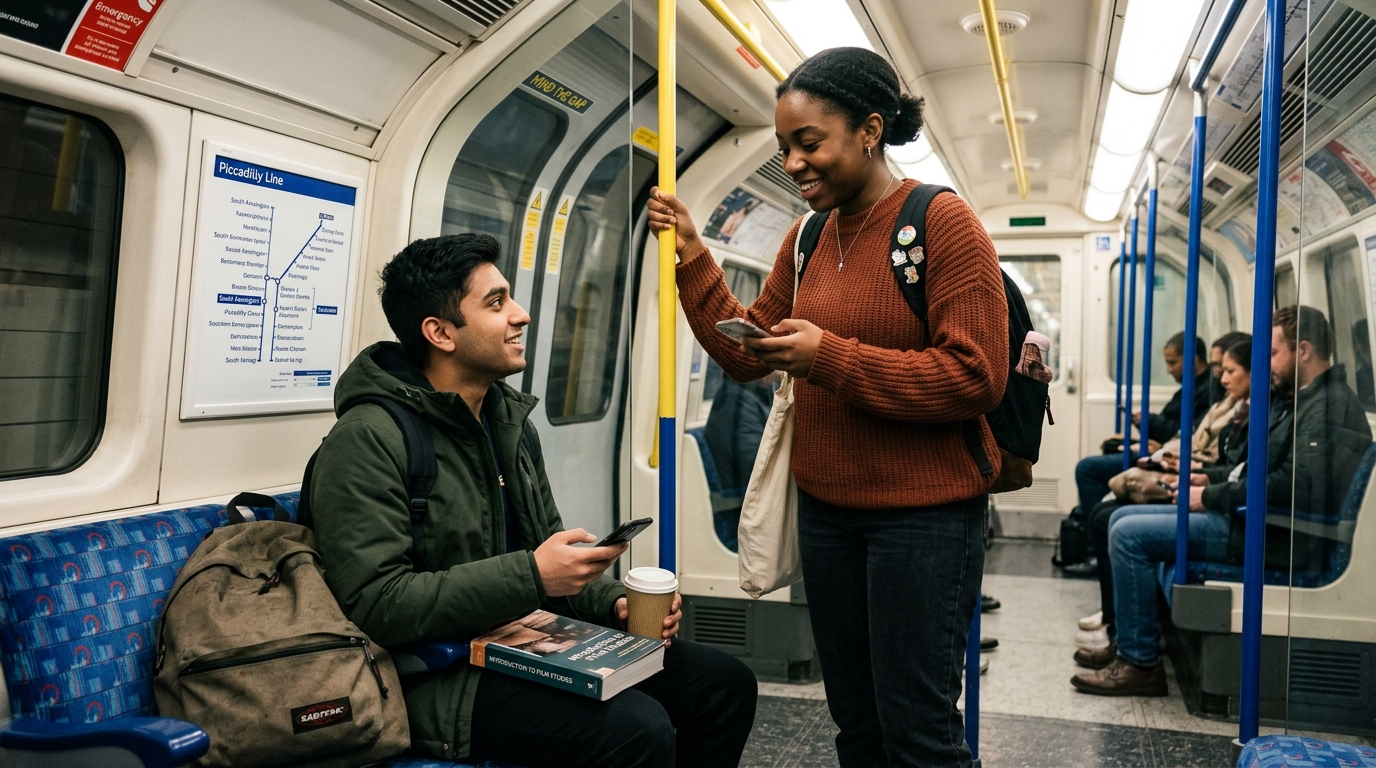
Meningococcal bacteria spread through respiratory droplets and saliva. The bacteria don’t survive long outside the body, so transmission requires close contact – exactly the kind of contact that defines student life.
The Numbers Behind University MenB Risk
Teenagers and young adults aged 15-24 experience higher rates of meningococcal disease than other age groups. Between 8-15% of people who develop invasive meningococcal disease die, even with treatment. Approximately 20% of survivors experience permanent disabilities including limb loss, brain damage, hearing loss, or kidney damage.
UK universities have experienced multiple meningococcal disease cases over recent years. The March 2026 Kent outbreak involved 4,800 nightclub attendees with 21 confirmed MenB cases – demonstrating how quickly the bacteria can spread in student social environments.
What the School Vaccine Actually Covers
The MenACWY vaccine you received in Year 9 protects against four meningococcal strains: A, C, W, and Y. This is important protection – those strains cause serious disease. But MenACWY provides zero protection against strain B, which causes the majority of UK meningococcal cases.
You need both vaccines. MenACWY from school, plus private MenB vaccination, gives comprehensive protection against meningococcal disease.
Timing Your MenB Vaccination for University
The Six-Month Timeline
You need two doses of Trumenba (Pfizer) MenB vaccine, given 6 months apart for optimal protection. Full protection develops approximately two weeks after the second dose.
The Vaccination Timeline
February/March Vaccination for September Start
If you're starting university in September, begin your MenB vaccination in February or March for optimal protection. Two doses given 6 months apart (February → August) means you're fully protected by late September when freshers week starts. If you're starting sooner, we can use the accelerated schedule: doses at weeks 0, 1-2, and 6 months for complete protection. Book online or call 020 8567 0982 to schedule your vaccination timeline.
Total timeline: approximately 6.5 months from first dose to full protection.
For September university start (optimal 2-dose schedule):
- February/March: First dose
- August/September: Second dose (6 months after first)
- Late September: Full protection develops
- Outcome: Protected within first few weeks of term
This schedule provides the best immune response and longest-lasting protection. Starting vaccination in February or March ensures you’re fully protected by the time you settle into university life.

The Trumenba Vaccination Course
What to Expect at Your Appointment
We’ll review your health history, discuss the vaccine, and answer questions. The injection itself takes about two minutes – quick injection in your upper arm with minimal discomfort.
Trumenba and Bexsero Are NOT Interchangeable
Ealing Travel Clinic uses Trumenba (Pfizer) for all MenB vaccinations. Trumenba and Bexsero are different vaccines that cannot be mixed in the same course. If you've already started a Bexsero course elsewhere, contact us before booking - we maintain limited Bexsero stock for course completion only. Starting fresh? Trumenba follows the same 6-month schedule and provides equivalent protection.
After vaccination, we ask you to wait for observation. Serious reactions are extremely rare, but we monitor all patients briefly. You’ll receive a vaccination certificate with dose details, date, and batch number.
Important about vaccine schedules: The optimal schedule for Trumenba is two doses given 6 months apart. This provides the best immune response and protection.
Which vaccine you’ve had matters: If you’ve had a MenB dose elsewhere, tell us which vaccine you received. Trumenba (Pfizer) and Bexsero (GSK) are not interchangeable – you must complete your course with the same vaccine. We stock Trumenba for all new courses and hold limited Bexsero supplies for patients completing courses started elsewhere.
Side Effects (The Reality)
Most students experience minor side effects that resolve within 1-2 days. Common experiences include sore arm at injection site (most common), tiredness, mild headache, low-grade fever, and muscle aches.
Manage side effects with paracetamol if needed, rest, staying hydrated, and moving your arm to reduce stiffness. Plan your vaccination for a day when you don’t have important exams or major commitments, just in case you feel tired.
Serious side effects are very rare. Benefits of protection against a disease with 8-15% fatality rate significantly outweigh the minimal risk of vaccine reactions.
After Your First Dose
Book your second dose before leaving your first appointment. For optimal protection, the second dose should be given 6 months after your first dose. Set a phone reminder for 6 months from your first dose.
If you need your second dose sooner than 6 months (for example, if you’re starting university before the 6-month mark), discuss timing with our team.
Keep your vaccination certificate safe – you’ll need it for your medical records and potentially for university health services. Full protection develops two weeks after your final dose (second dose if given at 6 months, or third dose if following accelerated schedule).
Beyond Vaccination: Reducing Your MenB Risk
Recognising Symptoms Early
Early meningitis symptoms often resemble flu: high fever, severe headache, stiff neck, sensitivity to light, confusion, nausea and vomiting, or muscle and joint pain. The characteristic non-blanching rash (doesn’t fade when pressed with a glass) is a late sign.
Critical: If you suspect meningitis, seek emergency medical care immediately. Don’t wait for the rash. Early treatment saves lives and reduces disability risk.
University Health Services
Register with a GP when you arrive at university. Most universities have health centres on campus or nearby. Know where your nearest A&E is located. Save NHS 111 in your phone for urgent health advice. Tell flatmates about meningitis symptoms so they can recognise warning signs in others.
Practical Risk Reduction
Even with vaccination, some practical steps reduce transmission risk. Don’t share drinks, cups, or eating utensils. Avoid sharing cigarettes or vapes. Kissing multiple new people in quick succession increases exposure. Get enough sleep when possible – exhaustion reduces immune function. Maintain decent nutrition despite the temptations of student eating patterns.
These aren’t strict rules – they’re harm reduction strategies for when you’re making decisions about social activities.
The Financial Side: Is £240 Worth It?
What £240 Actually Buys
Two doses of Trumenba vaccine, pre-vaccination health assessment, professional administration by qualified healthcare staff, post-vaccination monitoring, vaccination certificates for your records, protection against MenB disease (note: antibody levels may wane within 1-2 years after completion, though protection against disease may persist longer; booster doses may be recommended for continued high-risk exposure), and peace of mind for you and your parents.
Payment Timing
You pay £120 per dose, so £120 at your first appointment and £120 at your second appointment. This split payment means you’re not paying £240 upfront – the cost is spread across your two appointments.
Frequently Asked Questions
Book Your University MenB Vaccination
Starting university in September? Get protected now.
Book Online – Select your first dose appointment. We’ll schedule your second dose when you attend.
Ealing Travel Clinic 30 Northfield Avenue, Ealing, London W13 9RL
Opening Hours:
- Monday-Friday: 8am-6:30pm
- Saturday: 9am-5:30pm
Questions? Call 020 8567 0982
Easy Access from Across London
Convenient Transport Links:
- Northfields station (Piccadilly Line) – 5 minutes walk from clinic
- South Ealing station (Piccadilly Line) – 8 minutes walk from clinic
- Direct Piccadilly Line from central London universities
- Under 40 minutes from UCL, King’s College, LSE, Imperial College
The Piccadilly Line provides direct access from central London, making Ealing Travel Clinic convenient for students across the capital. Whether you’re coming from Bloomsbury, the Strand, South Kensington, or Holborn, we’re easily accessible via tube with no changes required.
University Health Beyond MenB
Planning to study abroad? Many universities require additional vaccinations depending on location. If you’re studying in countries with specific health requirements, Ealing Travel Clinic provides comprehensive travel health services including Yellow Fever (official vaccination centre), Hepatitis A & B, Typhoid, Japanese Encephalitis, Rabies, malaria prevention, and vaccination certificates.
For complete information about Meningitis B vaccination including effectiveness data, safety profile, and detailed FAQs, visit our main MenB vaccination guide.
Table of Contents
- Why University Students Need MenB Vaccination
- Timing Your MenB Vaccination for University
- The Vaccination Timeline
- The Trumenba Vaccination Course
- Beyond Vaccination: Reducing Your MenB Risk
- The Financial Side: Is £240 Worth It?
- Frequently Asked Questions
- Book Your University MenB Vaccination
- Easy Access from Across London
- University Health Beyond MenB

