
Chikungunya Vaccine London: Expert Protection at Ealing Travel Clinic
August 25, 2025
8 minute read
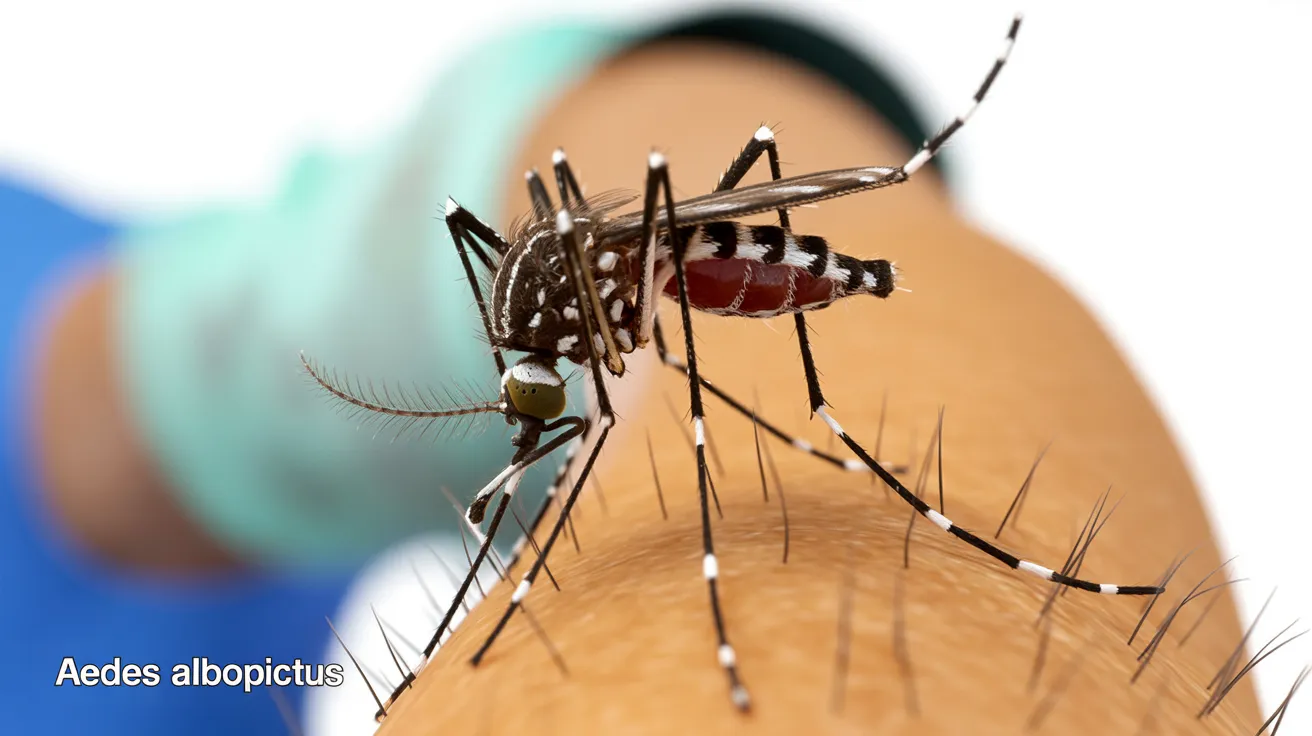
Chikungunya is a virus spread by the bite of an infected Aedes mosquito — the same daytime-biting mosquitoes that carry dengue and Zika. It causes a sudden fever and, in many people, severe joint pain that can carry on for weeks or months after the fever settles. There is no specific treatment, so avoiding infection matters, and for some travellers a vaccine is now part of that.
UK Health Security Agency figures show travel-associated cases in England reached their highest level in more than a decade in 2025. If you are heading somewhere chikungunya is circulating, our travel health team can talk you through whether the vaccine is right for your trip. We are a specialist travel clinic in West London, established in 2014, with the chikungunya vaccine available and same-day appointments where suitable.
Licensed chikungunya vaccine · Same-day appointments where suitable · NATHNAC-registered travel clinic since 2014 · 508 five-star Google reviews
What is chikungunya?
Chikungunya is a viral infection carried by Aedes mosquitoes, which bite mainly during the day and are common in towns and cities as well as rural areas. Symptoms usually appear three to seven days after a bite and often include a sudden high fever with severe joint pain, most commonly in the hands, wrists, ankles and feet. Headache, muscle pain, a rash and fatigue are also common.
Most people recover within one to two weeks. For a minority, though, the joint pain lasts for months and occasionally longer. There is no specific antiviral treatment — care focuses on rest, fluids and pain relief — so prevention through bite avoidance and, where appropriate, vaccination is the sensible approach. Serious complications are uncommon but more likely in older adults and people with underlying health conditions.

Where is chikungunya a risk right now?
Transmission shifts through the year and by region, so it is always worth checking your specific destination before you travel. As a broad picture in 2026:
- The Americas have reported the largest numbers globally this year, with Brazil the most affected country.
- South and South-East Asia — including Sri Lanka, India and Bangladesh — accounted for most cases brought back by UK travellers.
- Indian Ocean islands, including the Seychelles, saw outbreaks that prompted travel notices earlier in 2026.
- Europe has seen only limited locally acquired transmission, mainly in French overseas territories.
Globally, the World Health Organization and ECDC recorded well over 200,000 cases across around 25 countries in 2026. Because the situation changes, we check the current picture for your exact route as part of your consultation. If your trip includes India or China, we can review chikungunya alongside your other travel vaccines.
Chikungunya cases in UK travellers
UKHSA’s most recent annual report recorded 160 travel-associated chikungunya cases in England, Wales and Northern Ireland in 2025 — up 43% from 112 in 2024, and the highest total since 2014. More than half of all cases (around 56%) were in London, and most infections were reported between April and September. The majority of travellers had returned from Sri Lanka (75 cases), India (17) and Bangladesh (16).
This is a real, measurable rise rather than simply more testing. If you are travelling to an area with known transmission, it is worth discussing your risk with a travel health professional before you go.
The two chikungunya vaccines available in the UK
Two chikungunya vaccines are licensed in the UK. Which one — if either — is right for you depends mainly on your age and health, and we confirm that at your consultation.
Vimkunya
A non-live (virus-like particle) vaccine, licensed from age 12 with no upper age limit and given as a single dose. It was approved by the MHRA on 1 May 2025. It is generally the preferred option where suitable, including for older adults.
IXCHIQ
A live, single-dose vaccine licensed for adults aged 18 to 59. Following an MHRA safety review in February 2026, IXCHIQ is not given to anyone aged 60 or over, or to people with certain heart, blood-pressure, diabetes or kidney conditions, or a weakened immune system. This reflects a confirmed UK regulatory position, not a temporary pause.
Who should consider the chikungunya vaccine?
UK guidance suggests vaccination may be worth considering for:
- Travellers going to a region with an active chikungunya outbreak;
- Longer-term or frequent travellers to areas with chikungunya transmission in the past five years;
- Laboratory staff who work directly with the virus.
If you are taking a short trip to a low-transmission area, the vaccine may be less relevant, and bite avoidance is the first line of protection for everyone. Our specialist will look at your specific itinerary and give you a clear, risk-based recommendation rather than a blanket one.
Protecting yourself against mosquito bites
No vaccine is 100% protective, and for many travellers bite avoidance is the main defence. Aedes mosquitoes bite mostly during the day and thrive in urban areas, so precautions matter throughout the day, not just at dusk.
- Use a DEET-based (or equivalent) insect repellent and reapply as directed.
- Wear long sleeves and trousers where practical, especially in known transmission areas.
- Choose accommodation with air conditioning or good window screening where possible.
- Empty or cover standing water, since Aedes mosquitoes breed in small amounts of water.
What to expect at your appointment
A chikungunya appointment with us includes:
- A consultation with a travel health specialist, usually around 20 minutes;
- A review of your itinerary and individual risk;
- A check of your medical history and any contraindications;
- Vaccination with a single injection, if suitable;
- A short observation period afterwards;
- Your vaccination record.
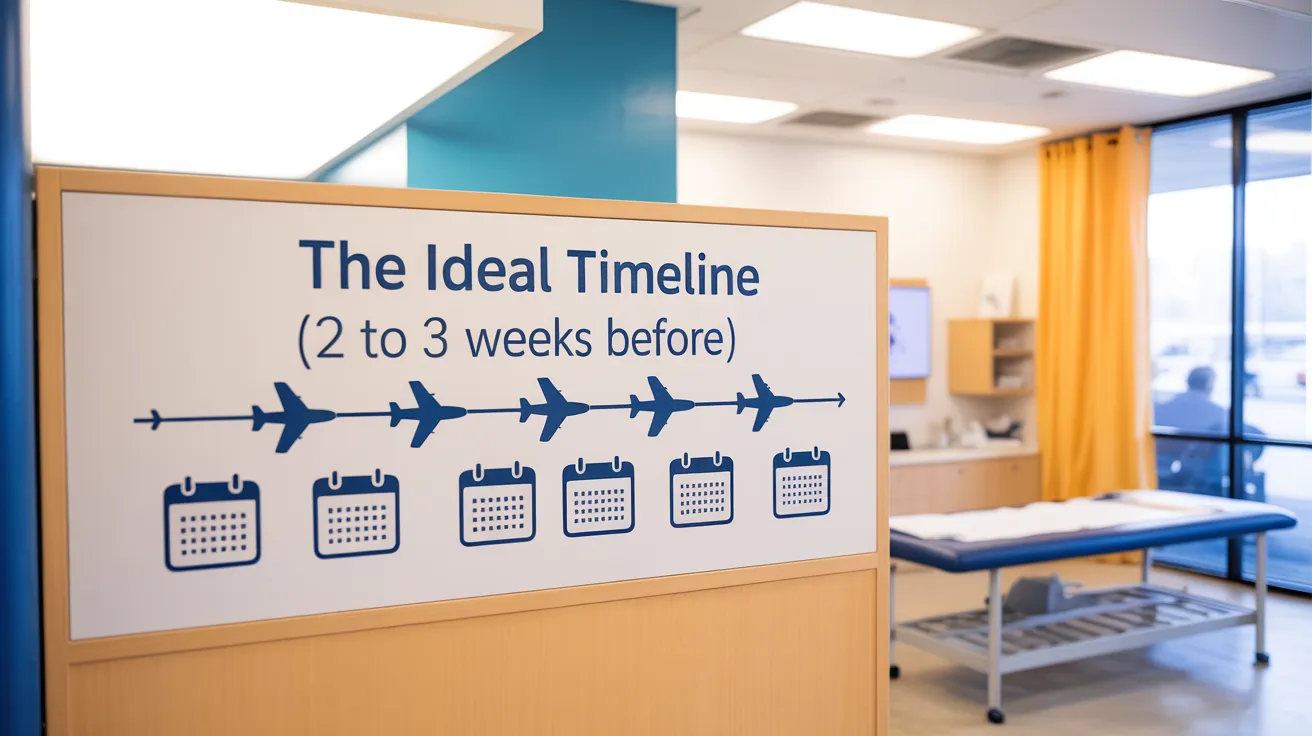
Mild side effects such as a sore arm, tiredness or a headache are common for a day or two. We would suggest booking a few weeks before travel where possible, so protection has time to develop — but do contact us for shorter-notice trips, as we can advise on how long before travel you realistically need and offer same-day appointments where suitable.
How much does the chikungunya vaccine cost in London?
Prices for the chikungunya vaccine vary between London clinics. At Ealing Travel Clinic it is £175, with no hidden consultation fee, and your travel health assessment and vaccination record are included. You can book your chikungunya vaccination online or call us to check availability.
What our patients say
Asim J ⭐⭐⭐⭐⭐ “Called and managed to get a same-day appointment to get the newly released chikungunya vaccination as I’m travelling to Asia. Great service and will definitely use Ealing Travel Clinic again.”
Esther Brown ⭐⭐⭐⭐⭐ “I have been for a few travel appointments here now, and had some for my children too. The staff are kind, knowledgeable and patient, and give great advice. I would thoroughly recommend them for travel advice.”
We are proud of our 508 five-star reviews on Google.
Frequently asked questions
Thinking about the chikungunya vaccine?
If you are travelling somewhere chikungunya is circulating, it is worth a short conversation before you go. Our travel health specialist will assess your specific risk and talk you through whether vaccination makes sense for your trip.
Ealing Travel Clinic, 30 Northfield Avenue, London W13 9RL · Call 0208 567 0982
Start a live chat with us
Useful links
Last reviewed 28 August 2026 against UKHSA, NaTHNaC/TravelHealthPro, MHRA and ECDC sources. This page is general information and not a substitute for individual medical advice; suitability is confirmed at your appointment.


Table of Contents

